
The range and versatility of apartment types adds to the excitement that comes with looking for your next place to live. Depending on your budget, space needs, location, and whether you are living alone, it’s important to know what types of apartments are available. Good luck on your search!
Studio
Studio apartments offer many advantages for residents seeking smaller spaces and lower rent while still maintaining privacy. Here’s a brief intro to studio apartments, including size and layout as well as design ideas.
A studio apartment is a private enclosed apartment with a large space incorporating a bedroom and living space. Choosing a studio apartment is a great option for single professionals looking to save money on rent and also live in a vibrant part of town in a home that requires minimal upkeep.
The average size of a studio apartment is from 400 to 600 square feet and consists of a common living/bedroom space and a separate space for a bathroom. For comparison, large resort-style hotel rooms also range from 400 to 600 square feet.

Studio apartment upkeep is simpler than larger apartment homes because there’s less space to maintain. So, for busy individuals, this is a huge time-saver.
Because studio apartments are compact, residents have less room to spread out. So, for those who have an abundance of belongings, storage space might be a challenge.
Prospective residents who inquire about studio apartments often look for the best price, walk-in closets, extra storage on-site or on the balcony, and guest access to the bathroom from a hallway and not through the bedroom. An in-unit, stackable washer and dryer or a laundry facility nearby are common and preferred.
Micro Apartment
Micro-apartments, also known as micro-units, are pint-sized living spaces that pack a lot into their tiny square footage.
Size and Layout
Micro-apartments typically range from 100 to 500 square feet, making them significantly smaller than most studio apartments.
Unlike small one-bedroom apartments, micro-apartments are usually studio-style, featuring an open-concept layout where the bedroom, living area, and kitchen seamlessly blend together. Imagine a cozy nook where everything is within arm’s reach
Essential Features
- Main Room: This is a single main room that serves as the living, sleeping, and dining areas.
- Bathroom: Micro-apartments have small private bathrooms, typically without bathtubs.
- Kitchenette: Expect a compact kitchen area with minimal counter space and appliances.
- Bed Space: There’s enough room for a lofted or foldable bed that integrates into the overall design.
- Balcony or Patio: Some micro-apartments offer tiny outdoor spaces such as balconies or patios, providing a where you can sip your morning coffee or stargaze at night.
Location and Popularity
Micro-apartments are gaining popularity, especially in cities facing housing crises or where real estate prices are sky-high.
You’re likely to encounter these small gems in bustling metropolises like New York City, San Francisco, and Hong Kong. In these high-density urban areas, traditional housing can be hard to find or prohibitively expensive.
Choosing a micro-apartment might allow you to live closer to the heart of the city or in a trendy neighborhood that would otherwise be out of reach financially.
Pros and Cons
- Economical Living: Micro-apartments are budget-friendly, making them good choices for young professionals or anyone seeking an affordable urban lifestyle.
- Minimalistic: Downsizing forces the renter to declutter and focus on what truly matters.
- Community Aspects: Many micro-apartment buildings incorporate communal spaces, fostering a sense of community among residents.
- Space Constraints: Micro-apartments are tiny. They are not ideal for those with many possessions.
- Limited Storage: Finding creative storage solutions is necessary because every square inch counts.
- Privacy Trade-offs: With open layouts, privacy can be a challenge.
Loft
A loft-style apartment often features an open floor plan layout, devoid of traditional room divisions and with generous vertical space, particularly high ceilings and tall windows.
Loft apartments celebrate raw materials: Think original brick walls, exposed piping, ductwork, concrete floors, metal accents, glass, and distressed wood. Lofts are eco-friendly by design. They repurpose existing buildings, giving new life to old spaces.
The buildings housing loft apartments often flaunt historic architectural elements such as sturdy columns, rustic beams, and exposed brick. These remnants from their industrial past give lofts a unique character and a rugged urbanism feel.
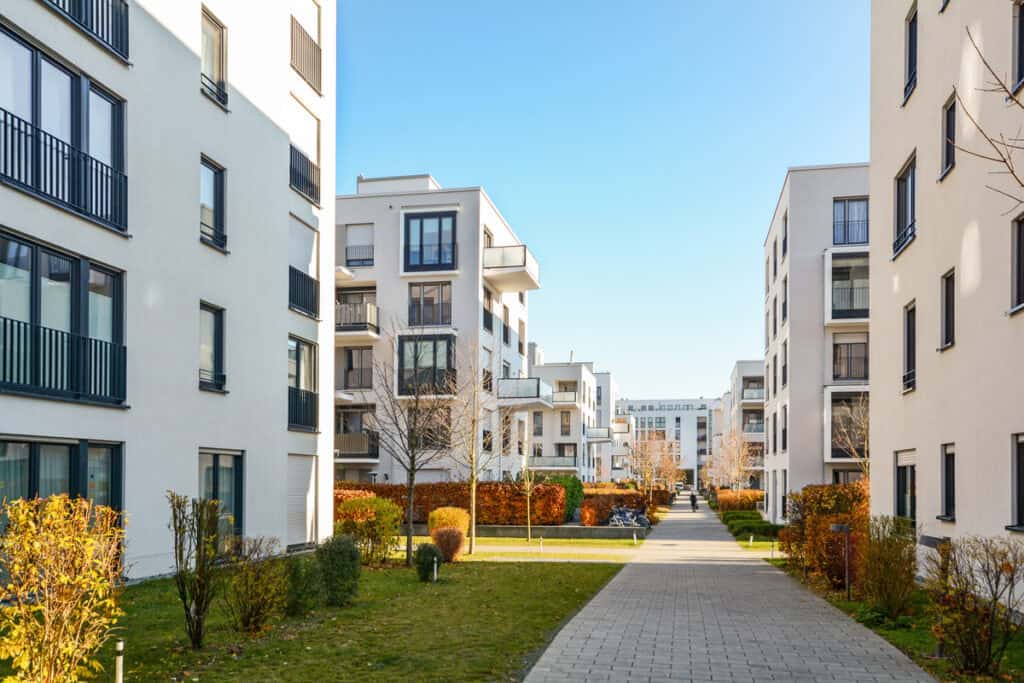
In a loft setting, light floods in through floor-to-ceiling windows, creating abundant natural sunlight and potentially spectacular views of cityscapes, trees, or natural landscape horizons.
Some lofts incorporate mezzanines—mini platforms—for sleeping, lounging, or working.
Pros and Cons of Loft Living
- Lofts offer flexible floor plans where residents are free to rearrange, redecorate, and reimagine artistically.
- With their original features, lofts have soul. Their raw spaces mean you can channel your inner interior designer, whether that be industrial chic, minimalist, or boho.
- Lofts offer integrated living – everything’s on the same level, which is perfect for those who prefer to avoid climbing stairs.
- For storage, loft renters must get creative—under-bed nooks, ceiling hooks, and secret compartments can be useful.
Duplex
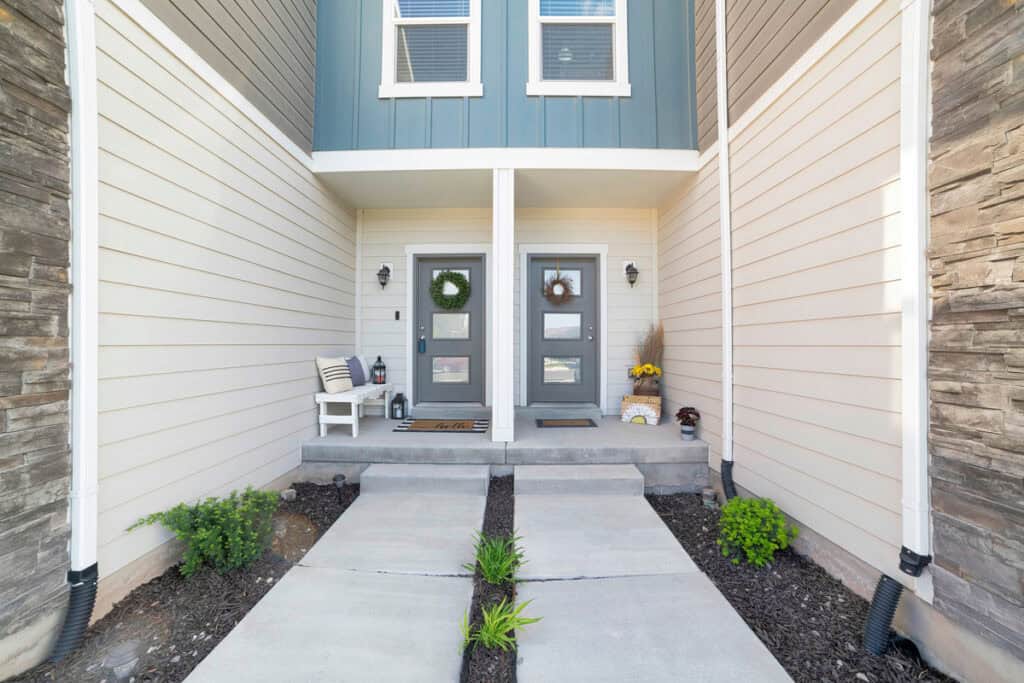
A duplex is a multi-family home that has two units in one building. Apartments in a duplex will have their own entrances and often have living spaces upstairs and downstairs. The two units will be similar in size.
Duplex apartments are fascinating hybrids, straddling the line between single-family homes and multifamily living. A duplex consists of two individual residences within the same building, sharing a common plot of land. Duplexes differ from apartments in that they have only two units, both owned by one individual. In contrast, an apartment building includes multiple units, often managed by a property management company.
Building Design Traits
Duplexes are designed to look like a single large house. The housing units can be side-by-side (like townhouses) or stacked vertically (like apartments). They exude a cozy, homey vibe. The duplex is designed symmetrically – the two sides are often mirror images of each other. Each unit typically has its own entrance and exit, ensuring privacy for both occupants.
Parking arrangements vary. It could be shared (a common driveway or parking area) or separate (individual garages or paved spots).
Their common areas might share outdoor spaces such as a backyard or patio. Alternatively, these areas can be subdivided between the two units.
Size and Style
The average US duplex spans about 900 square feet. Floor plans can be identical or vary in style, layout, and finishes. Duplexes come in a range of housing styles, influenced by their location.
Affordability and Location
Duplexes are often seen as a more affordable option compared to single-family homes. They can be found in college towns and densely populated areas, such as bustling cities.
Triplex
A triplex is a single building with three apartment units. Like a duplex, these apartment units will have their own entrances, be similar in size, and have multiple living spaces.
Triplex apartments are not too big, not too small, and for many, are just right.
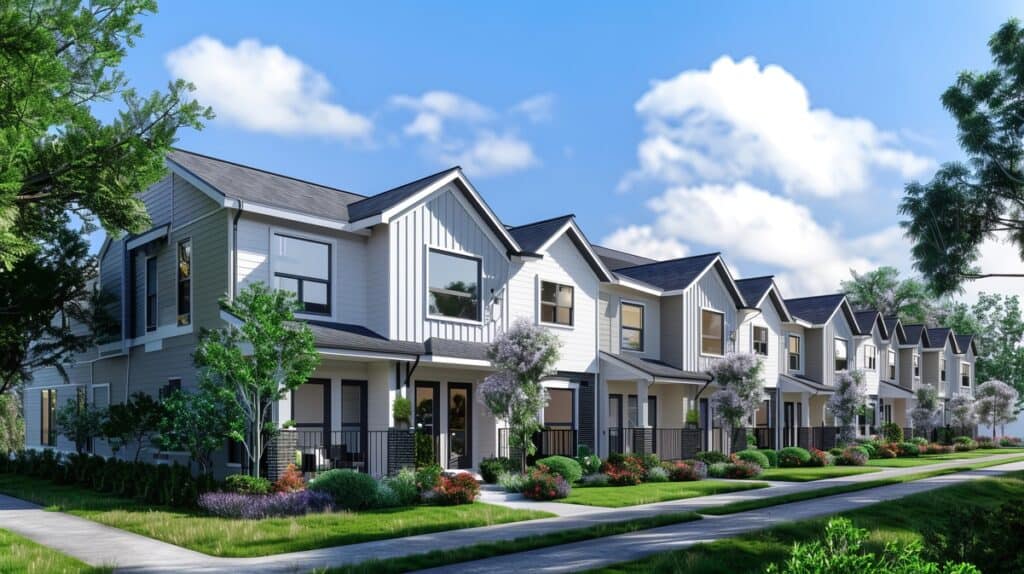
Each unit has its own bathroom(s), kitchen, living room, exterior doors, and mailing address.
Configurations and Aesthetics
Triplexes can take different forms such as stacked (three apartments piled on top of each other) that might share a staircase to access the upper floors. Or, side-by-side, lined up next to each other with their exterior doors facing the street.
Sometimes, even renovated private homes or brownstones transform into triplex buildings, giving an old house a fresh lease on life.
Pros of Triplex Living
- Triplexes offer more room to stretch out and are often more budget-friendly than single-family homes. With fewer neighbors, you won’t encounter someone each time you step out.
- Some triplexes come with a communal yard for cookouts or sunbathing. Fences might divide it into three areas. As many as three garages or covered parking spots are often included.
Cons of Triplex Living
- Older triplexes or multi-family homes can be chatty. Your landlord might live in one of the units, which could be annoying, or on the flip slide, lead to better maintenance service.
Co-op
Cooperative housing, known as a co-op, is a type of apartment where one buys in to become a part-owner of that entire piece of property. The part-owner will then have the right to live on the premises in an available apartment but will shoulder some financial responsibility, for example, mortgage payments or maintenance costs.
Typically, there is an approval process through the building’s board, and rules that must be followed to be approved.
When you buy into a co-op apartment, you become a shareholder in a housing cooperative. Instead of owning the apartment unit itself, you own shares in the entire building or complex. These shares grant you the right to exclusive use of a specific apartment unit within the co-op.
Unlike condos, where you directly own your unit, co-op apartments treat ownership differently. Your shares in the co-op are not considered real property. So, while you get to live in your cozy corner of the building, you’re not the sole owner of that specific unit.
Types of Co-Ops:
- Market-Rate Co-Ops: These operate like standard residential properties. You can sell your shares whenever you want, at any price.
- Limited Equity Co-Ops: Geared toward affordable housing, these limit the profit you can make when selling your shares.
- Group Equity or Zero Equity Co-Ops: Members don’t accumulate equity but enjoy rental rates below market value.
Older Buildings and Charming Aesthetics
Co-op apartments are often found in older buildings, especially in bustling cities like New York City. For example, picture classic brownstones or prewar structures—full of character, with wooden floors, and charmingly antiquated details.
Financial Implications
When you buy a co-op, you’ll need to secure a share loan instead of a traditional mortgage. These loans are specific to co-op purchases.
Co-op living involves monthly maintenance fees that cover building expenses (like repairs, utilities, and common areas). These fees are typically higher than condo association fees.
Living Arrangements
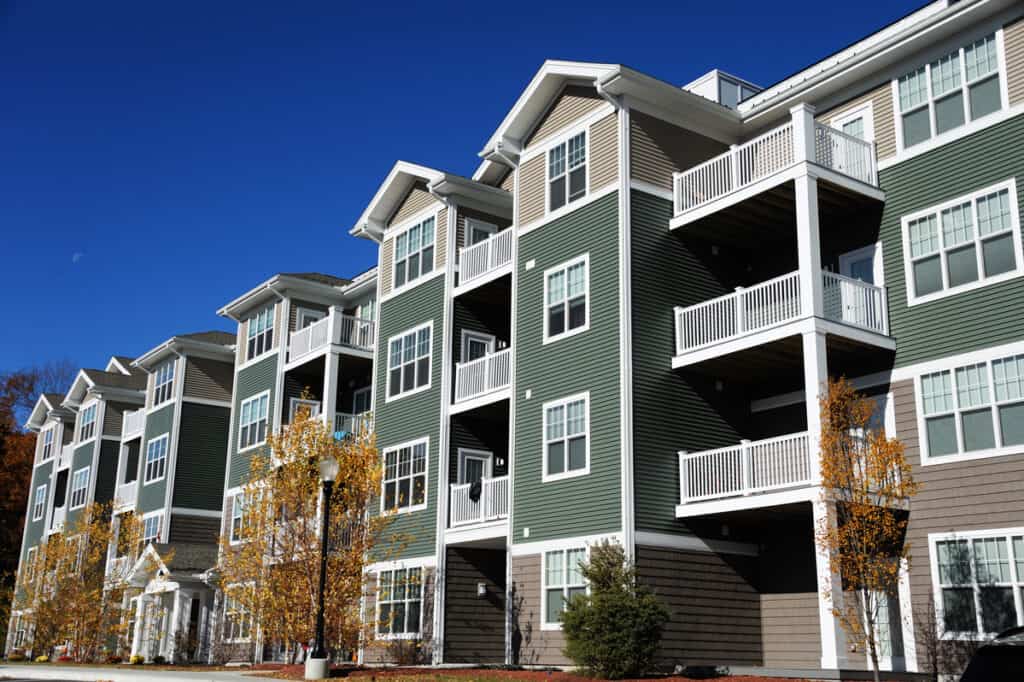
Co-ops look just like regular apartment buildings. However, instead of owning your unit outright, you own shares in the entire community. Your ownership comes with a proprietary lease for your specific apartment. It’s like having a long-term lease with extra perks.
Community and Decision-Making
Co-ops function as nonprofit corporations with a board of directors. Each resident is a shareholder. You’ll have a say in all building decisions, from renovations to pet policies.
Conclusion
There are plenty of great options for apartment living based on size, bedrooms, layout, budget, and lifestyle. Lease agreements and management styles also play a crucial role. Be sure to research the many apartment types to make sure you choose what’s best for your needs.