
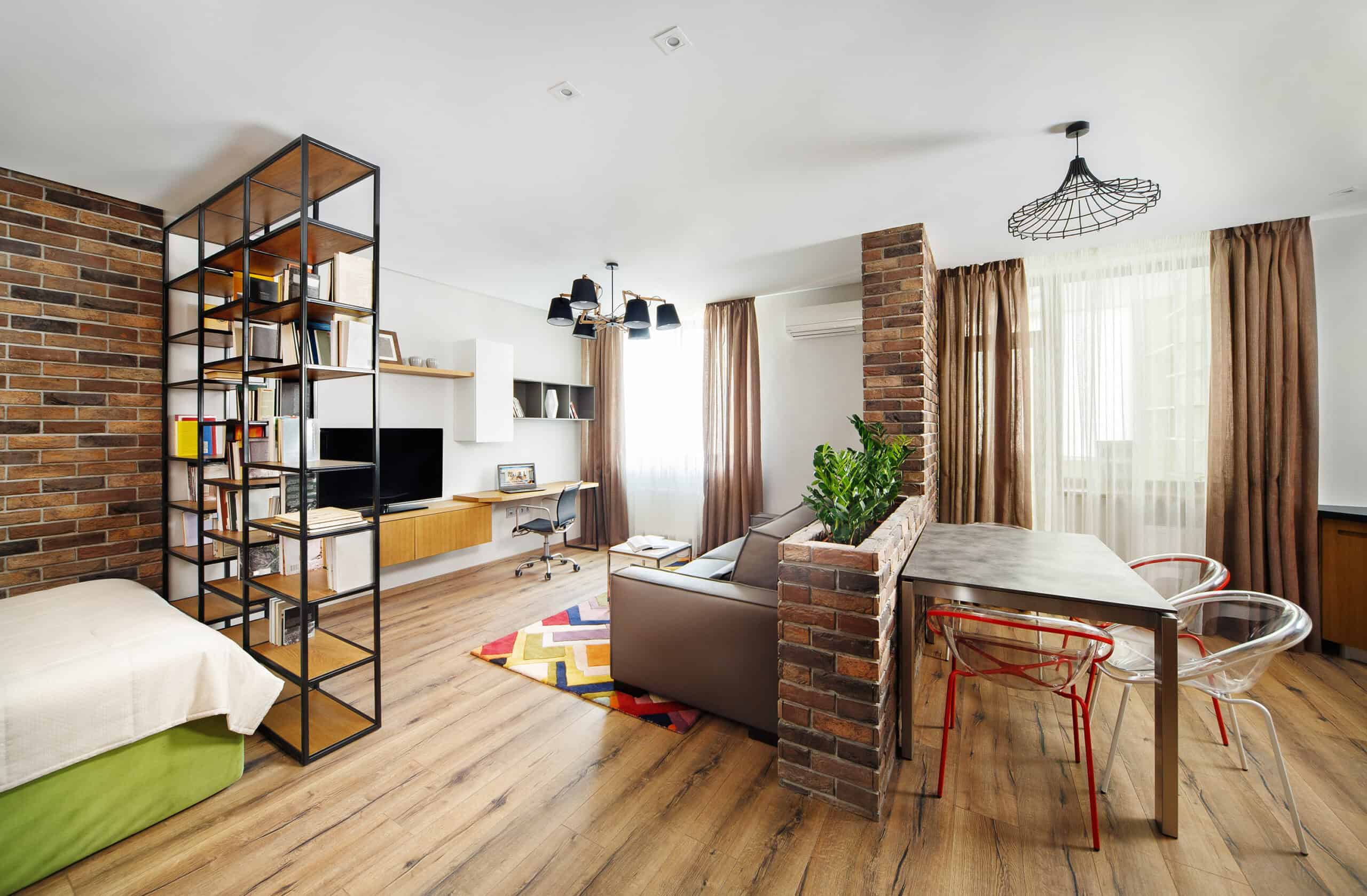
Studio apartments offer many advantages for residents seeking smaller spaces and lower rent while maintaining privacy. This article is an intro to studio apartments, including size and layout as well as design ideas.
What is a studio apartment?
A studio apartment is a private enclosed apartment with a large space incorporating a bedroom and living space. Choosing a studio apartment is a great option for single professionals looking to save money on rent and live in vibrant parts of town in a home that requires minimal upkeep and additional expense.
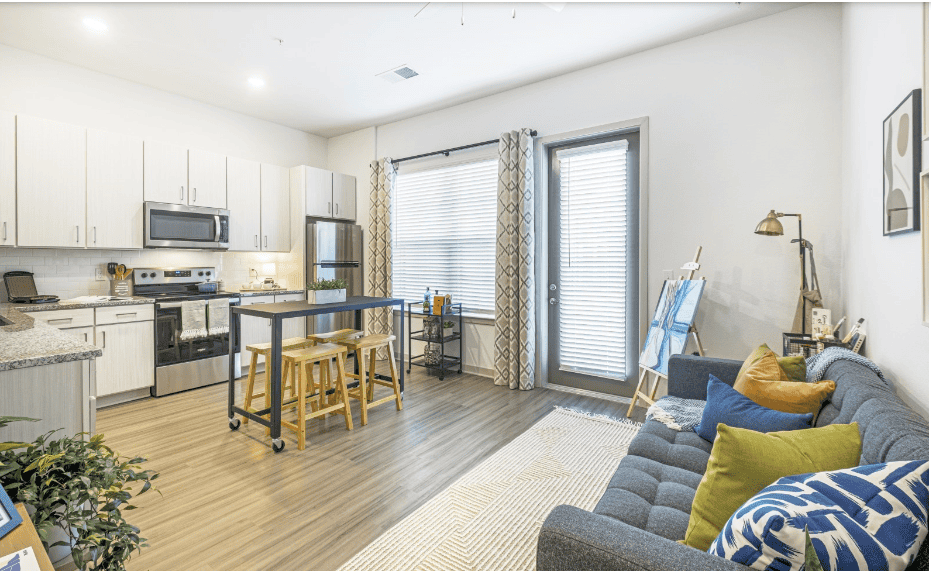
Studio apartments offer many advantages for residents seeking smaller spaces and lower rent while maintaining privacy.
A studio apartment, sometimes referred to as a bachelor apartment, efficiency apartment, or studio flat, is a self-contained living unit where the bedroom, living room, and kitchen coexist in a single open space.
They are easy to clean and furnish. Essentially, residents can set up the apartment best suited to fit their needs.
As for lifestyle, studio apartments are often situated in popular parts of town, making it easier to access amenities, public transportation, and entertainment options.
If the community is located near a college or uptown, for example, the studios tend to lease more easily compared to another part of town where more people are looking for larger floorplans or 2-bedroom apartments.
How big is a studio apartment?
The average size of a studio apartment is from 400 to 600 sq ft and consists of a common living/bedroom space and a separate space for a bathroom. For comparison, large resort-style hotel rooms also range from 400 to 600 sq ft.
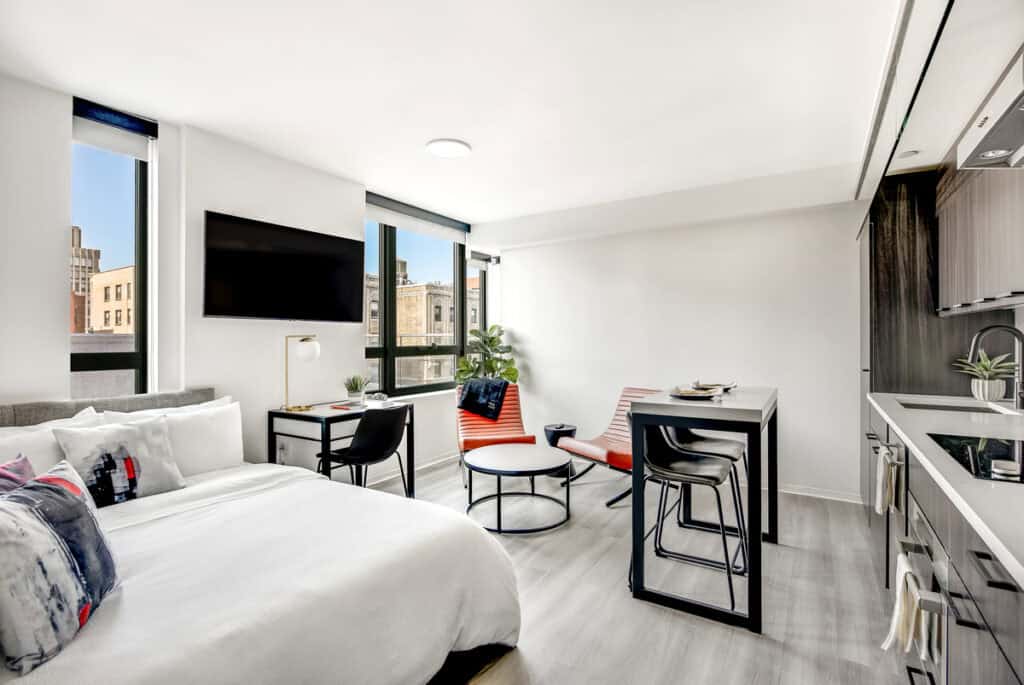
Often studios are only slightly smaller than a one-bedroom but come at a lower price point and lower utility costs, making them very budget-friendly. Additionally, the size of a studio creates a cozy and intimate atmosphere that can be appealing to individuals.
Imagine a studio as a one-room arrangement, akin to a hotel room, where your kitchen and sleeping area are part of the main room. The bathroom is separated from the layout by a door.
There are approximately 18,000 studio apartments in the U.S.
BH has 1,640 studio apartment homes at over 30 of our communities. Dallas, Des Moines, and Phoenix are markets where BH offers the greatest number of studios. Houston and Austin also have more than 100 studio apartment homes.
BH studios overall average 525 sq. ft., but sizes vary widely.
Couples won’t always find studio apartments sufficient in size, and it’s also hard to accommodate overnight guests, especially those who spend the night on your couch.
What is the difference between a flat and a studio apartment?
Apartments in general are often referred to as “flats.” Some people may refer to their home as a “studio flat,” or a “one-bedroom flat.” So, “flat” and “apartment” are interchangeable terms.
In a one-bedroom flat, there is a clear separation of spaces. There are distinct living rooms, bedrooms, and kitchen areas. One-bedrooms often have more closets and may even include a dining space.
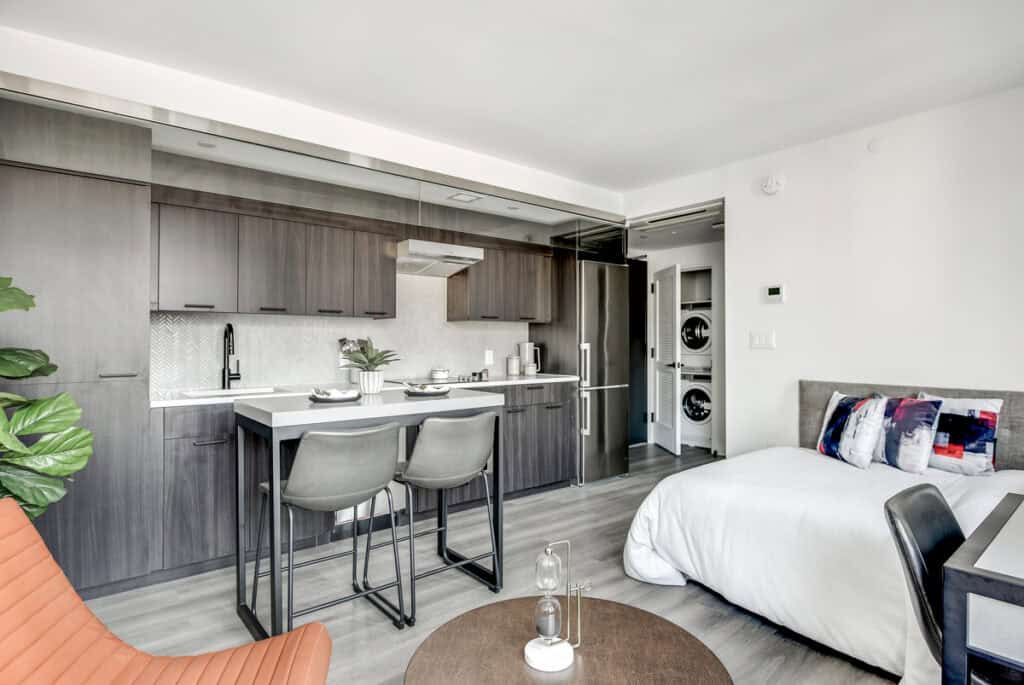
Despite similar square footage, one-bedroom apartments can feel larger due to the division of rooms. Rent tends to be higher than that of a studio apartment.
Studio apartment design ideas
Studio apartment upkeep is simpler than in larger apartment homes because there’s less space to maintain. So, for busy individuals, this is a huge time-saver.
Because studio apartments are compact, residents have less room to spread out. And for those who have an abundance of belongings, storage space might be a challenge.
Prospective residents who inquire about studio apartments often look for the best price, walk-in closets, extra storage onsite or on the balcony, and guest access to the bathroom from a hallway and not through the bedroom. An in-unit, stackable washer and dryer or a laundry facility nearby are common and much preferred.
Given the small square footage available in a studio apartment, here are some design ideas that can help you maximize your space:
- Consider renting a storage unit for items you don’t need right now.
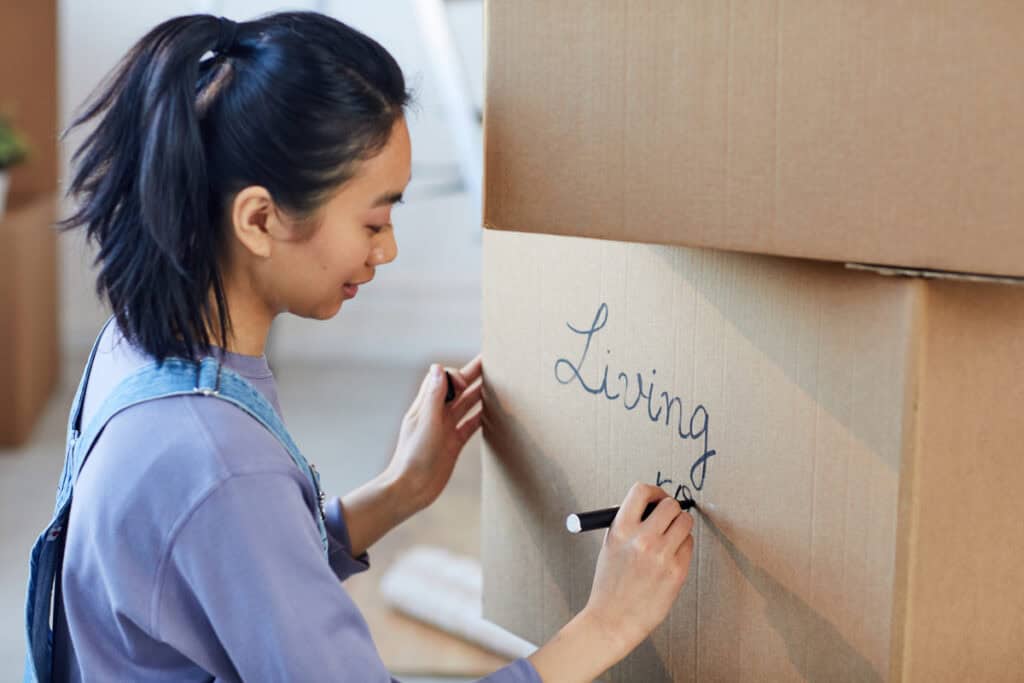
- Pare your belongings by auditing the items and keeping only what you need to avoid clutter.
- Consider smaller furniture pieces, utilize dual-purpose furniture like a Murphy bed, or find items that can be easily stored.
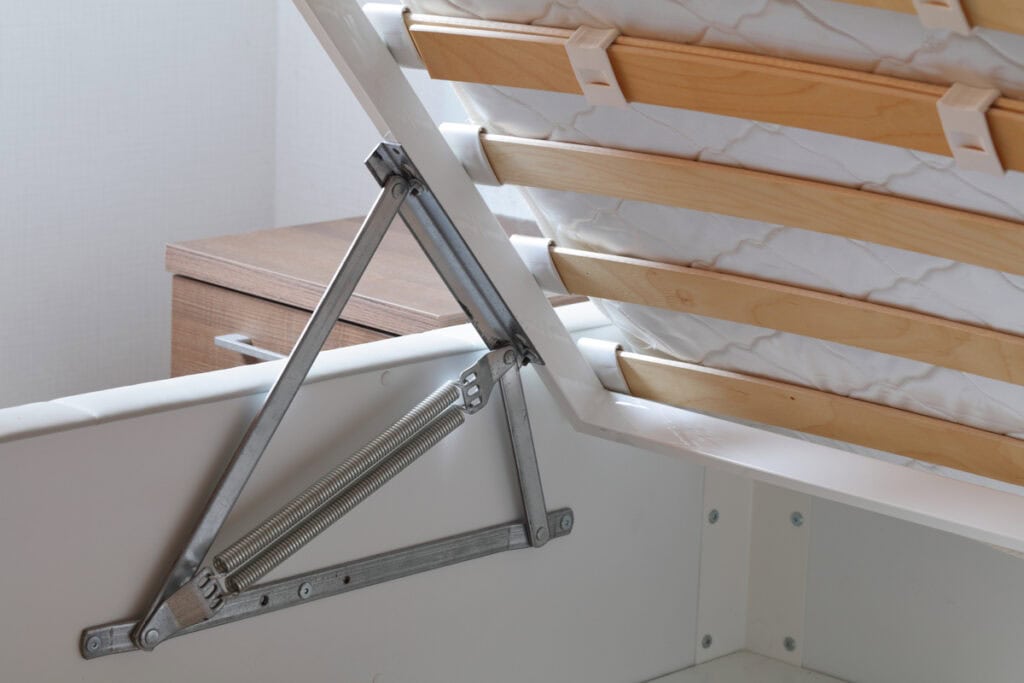
- Suspend your bed or build a small loft to maximize space.
- Be clever with storage by incorporating hidden storage with baskets on shelves, under furniture, and in the pantry. Choose furniture with built-in drawers, shelves, or hidden cabinets.

- Consider sacrificing the bedroom and dining spaces to create a large living room for entertaining. If possible, make a half-wall to separate living and sleeping areas while maintaining an airy feel.
- Allow light to flow through the space with open shelves or sheer curtains.
- Removable, peel-and-stick wallpaper adds visual interest without damaging walls. Light colors, sheer drapery, and consistent color accents can make the studio appear larger.
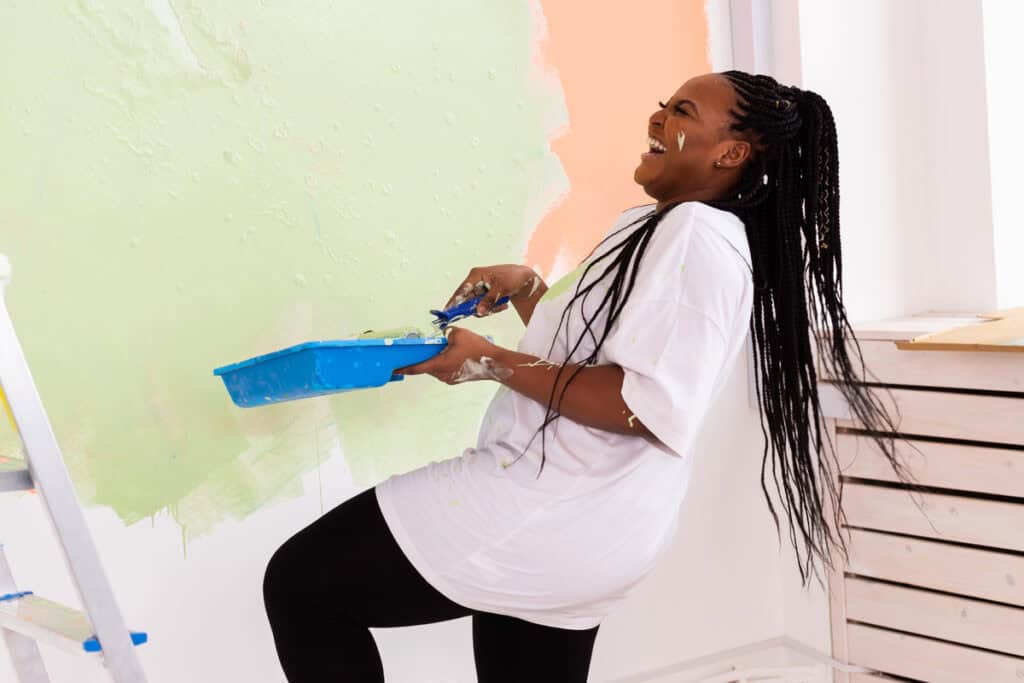
- To maximize every inch, include a cozy banquette or storage bench in forgotten corners. By adding appealing radiator covers or cushions you can create extra seating.
- Vintage trunks, decorative blanket ladders, and hollow decor can function as storage.
- Use low furniture to create a sense of height.
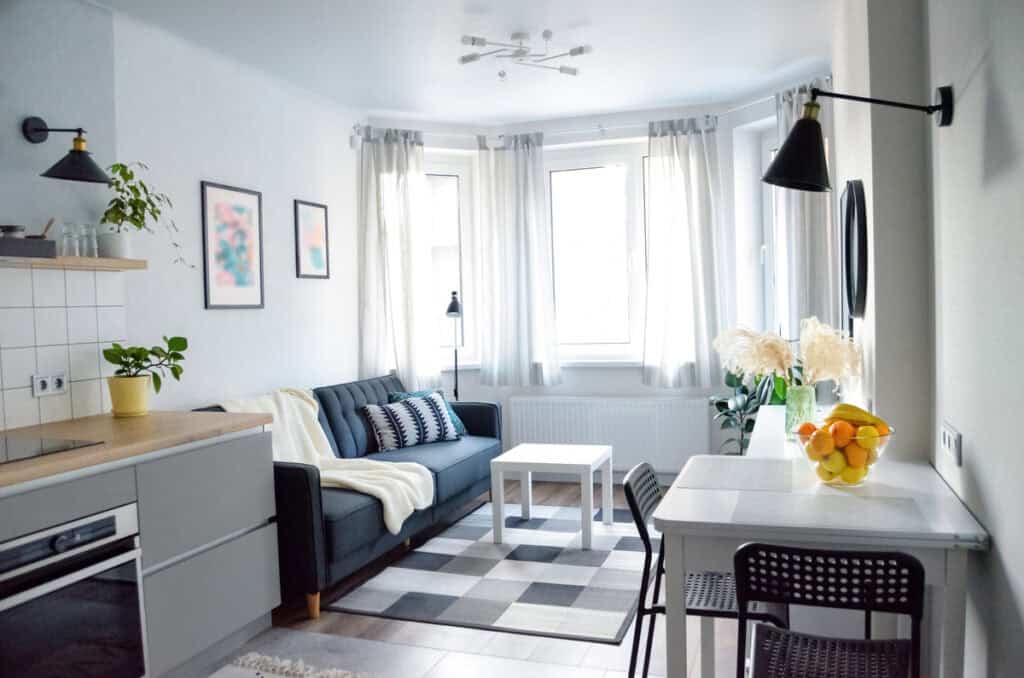
- Use a bookshelf as a room divider and a couch as seating.
- Sub a desk for a nightstand.
- Add a large floor mirror to visually double the size of your apartment.